Monday, April 16, 2012

Jet of the Day - Ozmay Designs


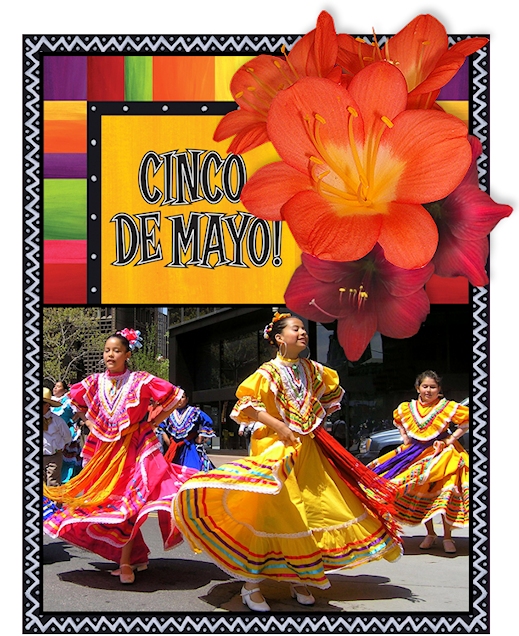
Cinco de Mayo is just a few weeks away.
Cinco de Mayo is celebrated nationwide in the United States on May 5, and in Mexico, primarily in the state of Puebla.
This date is observed as a celebration of Mexican heritage and pride.


I did a quick search of our talented Jet shops and found these to share:


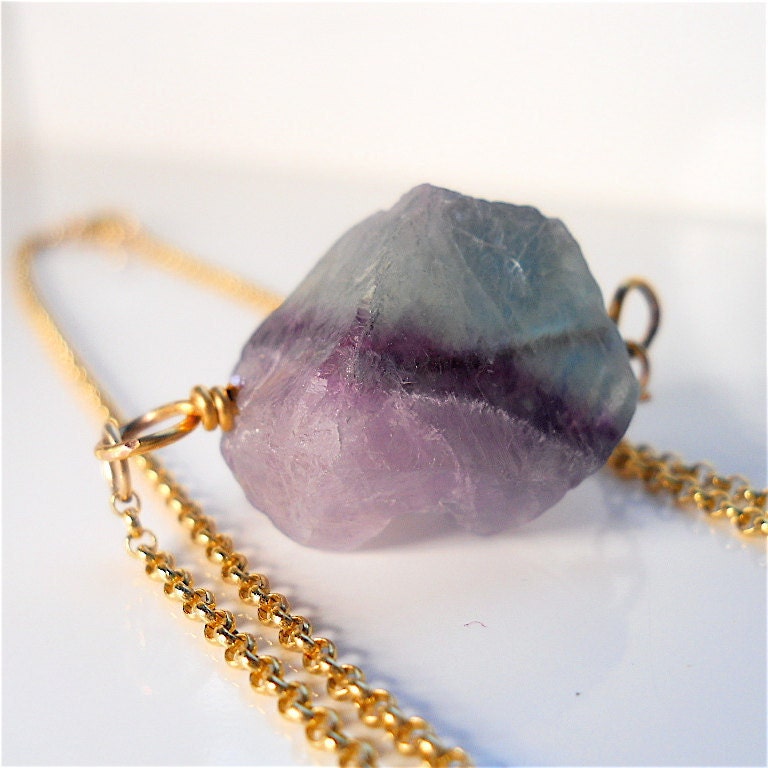
Norah's juicy Mexican fluorite necklace.


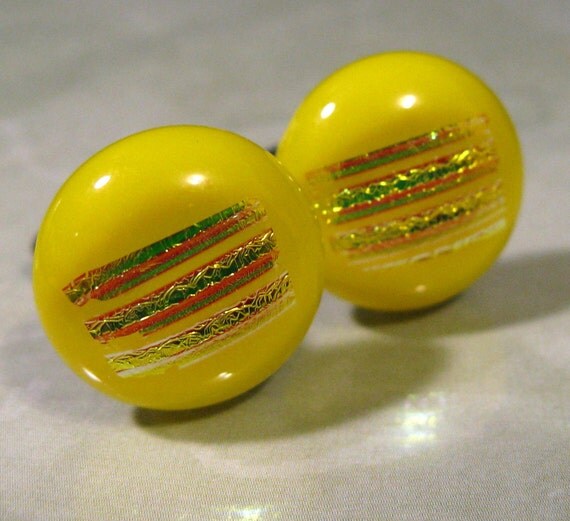
Emo's firestariffic cufflinks.


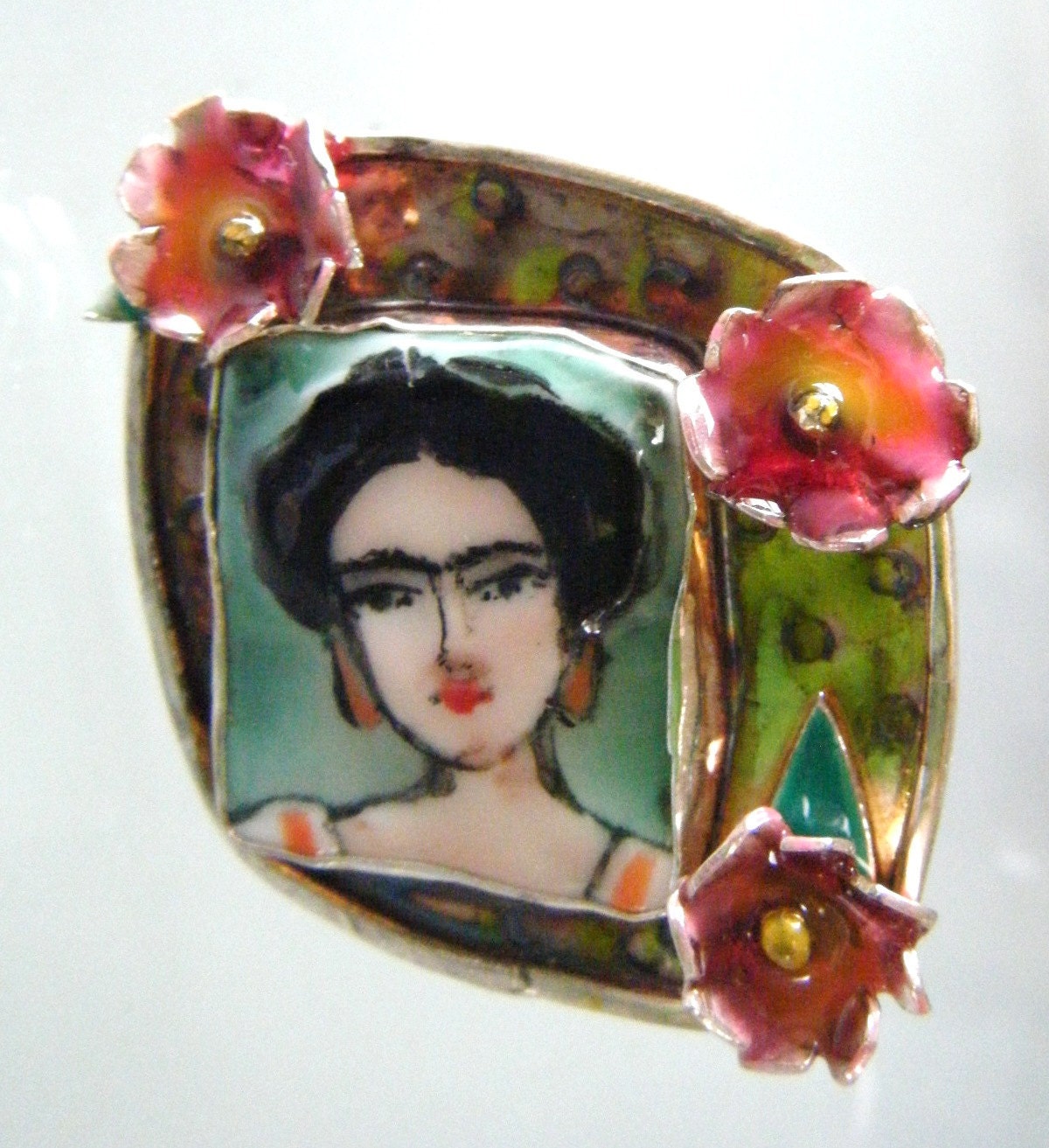
Lo's Frida Kahlo ring. Perfection.


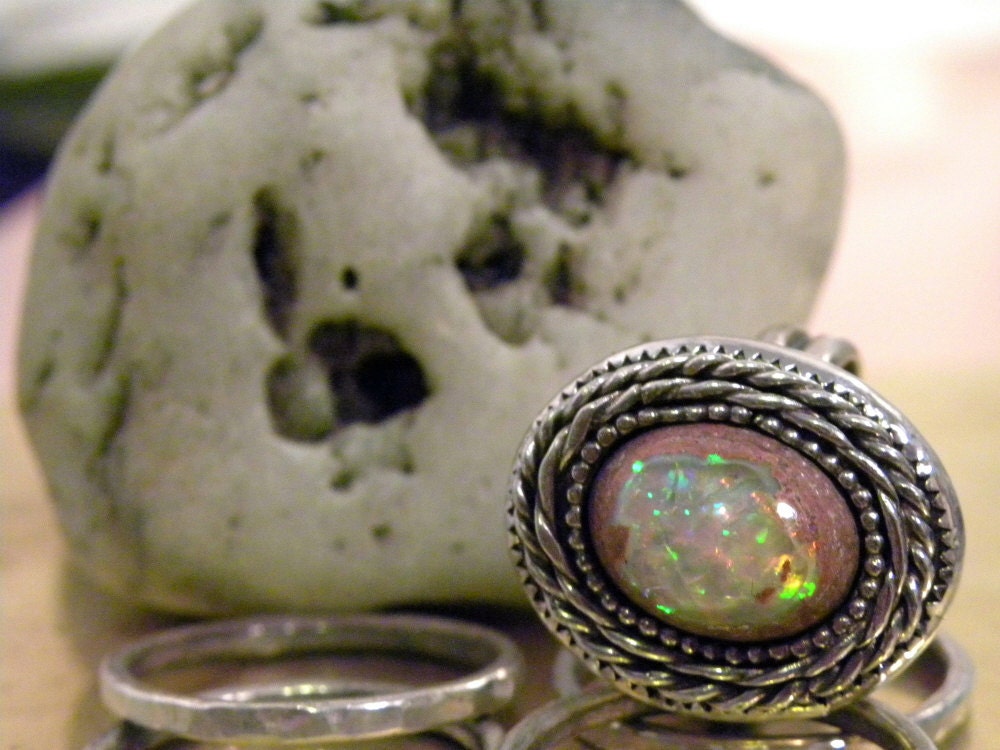
Denise's fiery Mexican opal ring.


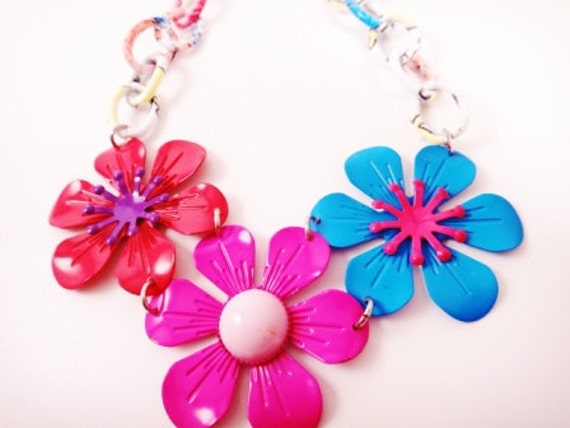
Cinco de Mayo brings to mind bold flowers and patterns, and vivid colors that celebrate life!
There are lots of Jet goodies to help you celebrate Cinco de Mayo in style!


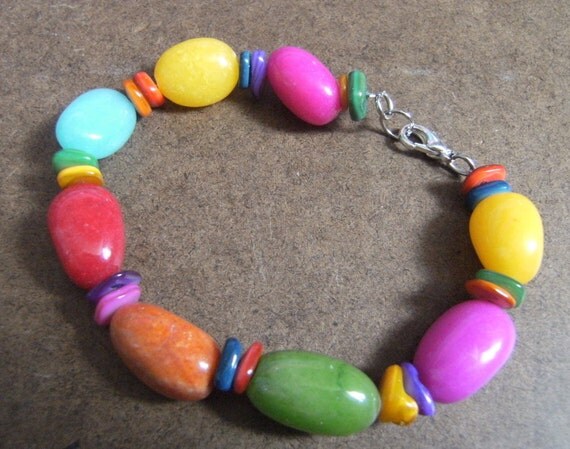
Gaetana's bracelet.


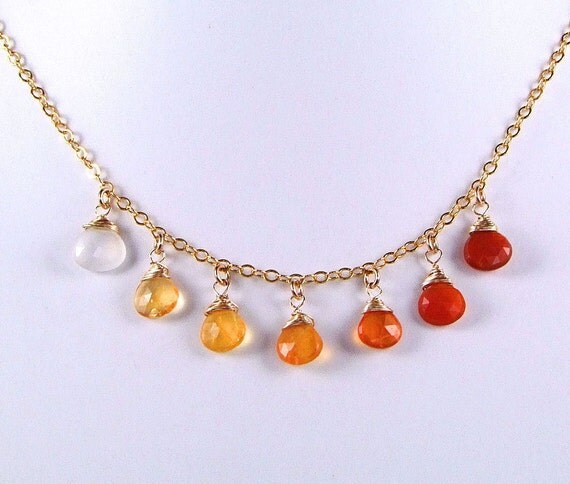
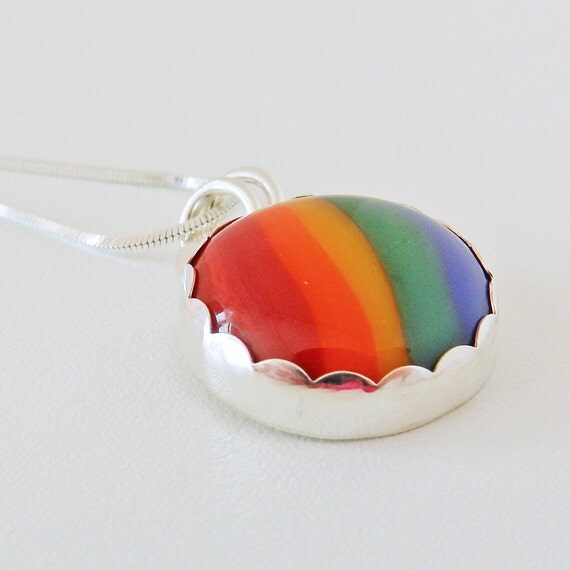
Kristy's necklace.


ChristalDreamz necklace.


Remember to use all of the colors in your crayon box!!

~Jill


Saturday, April 14, 2012

The Mother's Day Gem - Emerald

The Emerald

Green of Life and Love 

The green of the emerald is the color of life and of the Springtime, which comes round again and again. But it has for centuries, been the color of beauty and of constant love. In ancient Rome, green was the color of Venus, the goddess of beauty and love. Today, this color occupies a special position in many cultures and religions. Green, for example, is the holy color of Islam. This color also has a high status in the Catholic Church, where green is regarded as the most natural and the most elemental of the liturgical colors.

The magnificent green of the emerald is a color which conveys harmony, love of nature and elemental joie de vivre. The human eye can never see enough of this unique colour. The eye never tires of it.  Green is perceived as fresh and vivid, never as monotonous.  Green changes somewhat between the bright light of day and the artificial light of a lamp, emerald green retains its lively vigor in all its nuances.

Emerald Glass Oxidized Gunmetal Hoop Earrings - OVGillies Designs

Oceanic Jungle Pendant Necklace in Malachite Chrysocolla - OVGillies Designs

Wire Wrapped Flower Pattern Malachite Necklace - OVGillies Designs
Handmade Lampwork Green Glass Earrings - OVGilles Designs
 Loving all this green? Here are lots more green jeweled beauties from the Jewelry On Etsy Team. Search on Etsy: "Jetteam Emerald", "Jetteam Green", "Jetteam Mothers day" for lots more jewelry gift ideas for mom, (or you!)

Thank you for reading,
Olga

Saturday, April 7, 2012

Garnet - by The Silver Bear


GARNET

What colour are Garnets?
“Aha, I know the answer to that one!” you say. “They’re red!”

And you’d be right. You’d also be right if you said pink, or purple, or orange, or yellow, or brown, or black,
or green, blue or colorless. In fact, like Tourmaline, there isn’t a color Garnet can’t be found in. It always used to be said that Garnet occurs in every color except blue, which held true until the discovery of blue Garnets in Madagascar in the late 1990s.

There are many different types of Garnet, which can be divided into 6 main species, according to their chemical composition. Each species also differs slightly in specific gravity and refractive index.

Pyrope – a magnesium aluminium silicate - Mg3Al2(SiO4)3. Normally occurs in a deep blood red to almost
               black, sometimes with a brownish cast.
               R.I. 1.73 – 1.76.
               S.G. 3.65 – 3.87

Almandine – an iron aluminium silicate - Fe3Al2(SiO4)3. A deep, clear red.
                     R.I. 1-75 – 1.83
                    S.G. 3.95 – 4.30
                                                           

Spessartite – a manganese aluminium silicate - Mn3Al2(SiO4)3. Normally a yellow-orange color, although a
                      violet-red variety has been found in Colorado and Maine.
                      R.I. 1.79 – 1.83
                      S.G. 3.80 – 4.25


Grossular – a calcium aluminium silicate - Ca3Al2(SiO4)3.  Occurs in yellow, cinnamon (“Hessonite”), red,                    
                   green (“Tsavorite”) and colorless (“Leuco Garnet”)
                    R.I. 1.72 – 1.80
                    S.G. 3.40 – 3.70


Uvarovite – a calcium chromium silicate - Ca3Cr2(SiO4)3. One of the rarest Garnets, occurring as a bright          
                   Green. Gem quality found only in Russia and Finland.
                    R.I. 1.74 – 1.87
                    S.G. 3.40 – 3.80


Andradite – a calcium iron silicate - Ca3Fe2(SiO4)3. Varies in composition and may occur in red, brown, yellow
                   (“Topazolite”), green (“Demantoid”) or black (“Melanite”).
                    R.I. 1.86 – 1.95
                    S.G. 3.70 – 4.10


Within these species are other sub-species, or “varieties”, such as –
Rhodolite - a mix of Pyrope and Almandine. Often called the "Queen of the Garnets", Rhodolite has a distinctive violet tone. 
Malaia – a mix of Pyrope and Spessartite from the Umba Valley, bordering Tanzania and Kenya. Occurs in pinkish-orange to reddish-orange to yellowish-orange.
Merelani – A lighter green variety of Tsavorite from the same locality.


Recently, “Color change” Garnets have been discovered in Madagascar, Tanzania, Sri Lanka, Norway and the USA. These stones are Pyrope and Almandine in composition. They appear as a blue-green in natural light and red to purple under incandescent light. This means there is now an alternative to the other two natural color change gemstones, those being the rare and extraordinarily expensive Alexandrite, and a small percentage of Sapphires.


Garnet forms in the Isometric (cubic) crystal system, commonly producing well formed dodecahedral (12 sided) crystals.


With a hardness of 6.5 – 7.5 and no cleavage, it is a hardy stone and easy to work with.

While normally very clean stones, certain varieties of Garnet do contain inclusions. Amandine Garnets containing Rutile needles will form a star pattern called “asterism”. Known as Star Garnets, these are
relatively rare, occurring in quantity in only a few places such as India, Russia, Brazil and the U.S.A. Today most star Garnets come from Idaho and India. The stars are always 4-rayed, with one exception – Idaho very rarely has produced 6-rayed stars, though these are so uncommon that they occur in as few as 1 in 5,000 stones.


Orange Hessonite Garnets contain a veiling known as “treacle” which is an identifying feature of the stone, as with Demantoid, which contains quite unusual “horsetail” inclusions.


Summary of Garnet location and deposits
Pyrope: China, Madagascar, Myanmar, South Africa, Sri Lanka, Tanzania, USA.
Rhodolite: Brazil, India, Sri Lanka, Thailand, USA.
Almandine: Brazil, India, Madagascar, Sri Lanka and the United States. Smaller deposits exist in Austria and the Czech Republic. Almandine garnet star-stones are found in India and the United States (Idaho).
Spessartite: Brazil, China, Kenya, Madagascar, Myanmar, Namibia, Sri Lanka, Tanzania, USA. The best specimens come from Namibia and are known as "Mandarin Spessartite".
Grossular: Canada, Kenya, Mali, Pakistan, Russia, South Africa, Sri Lanka, Tanzania, USA.
Hessonite: Brazil, Canada, Madagascar, Sri Lanka, Tanzania, USA.
Leuco Garnet: Canada, Mexico, Tanzania.
Tsavorite: Kenya, Tanzania.
Andradite: Russia.
Demantoid: Russia, China, Korea,USA, Zaire.
Melanite: France, Germany, Italy, USA.
Topazolite: Italy, Switzerland, USA.
Uvarovite: Canada, Finland, India, Poland, Russia, USA.


Garnet is the birthstone for January. It has been used as a gemstone for thousands of years, having been found in ancient Egyptian, Roman and Greek jewelry.
I hope you found this interesting. Thanks for reading.

Wednesday, April 4, 2012

 Hi! I'm Bob, one of the two people behind Jewelry24Seven!

Improving our Etsy shop and our website is a constant, ongoing process that takes up a major part of my time every day. I have been working on both lately; trying to spend some time on each every day. I am currently taking new photos - or editing existing product images, writing new descriptions for the Etsy shop or the site, working on our website's structure and on-page SEO, and - of course - dealing with customers on a daily basis. Many of our sales are for custom made items sold through our website. A lot of those are custom fit silver chains, but many are rings, pendants and other jewelry items that people request by email. So I'm a busy guy!

My favorite part of this business is still making jewelry. I just LOVE spending time at my bench; after all, this is why Terry and started this business in the first place. We're both very creative people, and we truly appreciate beautiful jewelry of all kinds. So we spend as much time working on new things as possible. I recently bought some fabulous gemstones that have fueled my creative energies and  I've been busy making really fabulous things with them ... some aren't for sale yet, but will be soon ...

This is a very cool boulder opal pendant I made two weeks ago. I used gallery wire to make the bezel and also to decorate the bail. This Australian opal is found as veins or matrix running through the host rock. Because the opal veins are too small to cut into solid opals, they are left in their natural state; in this stone, the background color is a fabulous, earthy medium brown that makes the stone look almost like an aerial or satellite image of rivers and lakes crossing a desolate area devoid of vegetation. The opal is lighter colored and it is beautifully accented by the brown background color, making it really stand out!

Here is another boulder opal pendant, made in a different style which I think accents the shape of the stone in a really fabulous way. This stone has a reddish - brown, almost deep brick color with electric blue opal veins running through the host rock.  I made a simple serrated bezel for this one; used a piece of sterling silver tube for the bail, and accented the top with two pieces of large silver shot framing a 6mm faceted smoky quartz stone. This is a really beautiful piece and I'm quite sure it will make someone VERY happy! I do have more of these fabulous boulder opals, and will be making new pendants with those very soon ...

This opal ring was made with a different type of opal. This is black opal from Lightning Ridge, Australia ... the stone is technically a natural doublet because the opal is a thin layer that was in a seam between the host rock. One side of the ironstone was ground off, exposing the opal. The other side has a layer of ironstone that was left attached, which strengthens the stone, allowing it to be set in jewelry. The background color of this opal is a bluish tone. The entire face of this stone has bright multicolored flashes - green, red, blue, yellow, purple and orange. I made the setting with serrated bezel wire, and gave it a twisted wire accent. I used a fabulous cast shank, which I oxidized, to bring out the pattern.

I also have more of these opal doublets ... but they're larger and will probably be pendant stones.

I love showing off my jewelry ... and could easily spend hours writing here. But I do have lots to get to! As most JET members know, working at home is a blessing ... and also a curse. We tell people we work at home and the reaction is usually like ... "Wow, I wish I could do that" or maybe "You're lucky cause you can work when you feel like it". Nothing could be further from the truth ... Actually, because home IS your workplace, you never leave it at the end of the day. When I wake up the first thing I do is check my email; and guess what ... it's the last thing I do before calling it a day.

Time to get back to work.

Thanks for reading! Bob:J24-7

Tuesday, April 3, 2012

Jet of the Day - JemsbyJBandCompany


Have you ever wondered where some of the traditions that we follow at Easter first came about? Well here are some interesting facts that you may not already know.

History of the Easter Egg
Coloring and giving eggs at springtime probably goes back to ancient Egyptian, even Greek and Roman times. A sign of new life, the egg became the Easter Egg, probably during medieval Germany, where special eggs were given to children on Easter morning. 


Origin of the Easter Bunny
We probably have the Germans to thank for the Easter Bunny, where it was first mentioned in writing in the 1500s. By the early 1800s, Germans were making edible Easter bunnies. And, the Easter bunny was introduced to American children by German settlers in the 1700s.

Easter Baskets
Easter baskets are made to look like birds' nests. Lined with grass, they were a safe and cozy place for eggs. Today's Easter baskets, lined with "grass." are a safe and cozy place for jelly beans, chocolate bunnies and other treats. 

White House Easter Egg Roll
The custom of the Easter Egg Roll in this country got started when John Payne Todd, son of President James Madison and his wife Dolly, told his mother that children of ancient Egypt rolled eggs outside the pyramids. While that bit of historical trivia cannot be proven, a White House Easter Egg Roll has taken place, usually on the South Lawn, since the fourth presidency. Humpty Dumpty has been known to make an appearance at the annual Easter Egg Roll.
Thanks for reading,
Judy